Introduction: Why Connecticut Is Turning to Modular Homes
Connecticut is facing one of the biggest housing shortages in its history. Buyers want modern, energy-efficient homes. Towns want development that preserves rural character. Developers want predictable timelines. And families want affordability without sacrificing quality.
The solution that satisfies all sides?
Connecticut modular homes.
Once misunderstood, modular construction is now the fastest-growing building method in New England—delivering precision-built homes with better quality, lower costs, and dramatically shorter build times compared to traditional stick-built construction.
If you’re exploring options to build in Connecticut—whether a starter home, downsized ranch, waterfront retreat, or full multi-family project—modular homes should be at the top of your list.
This guide breaks down everything you need to know: costs, timelines, benefits, zoning, land selection, and why so many people are choosing BIOS Homes to simplify the entire process.
What Makes Connecticut Modular Homes Different?
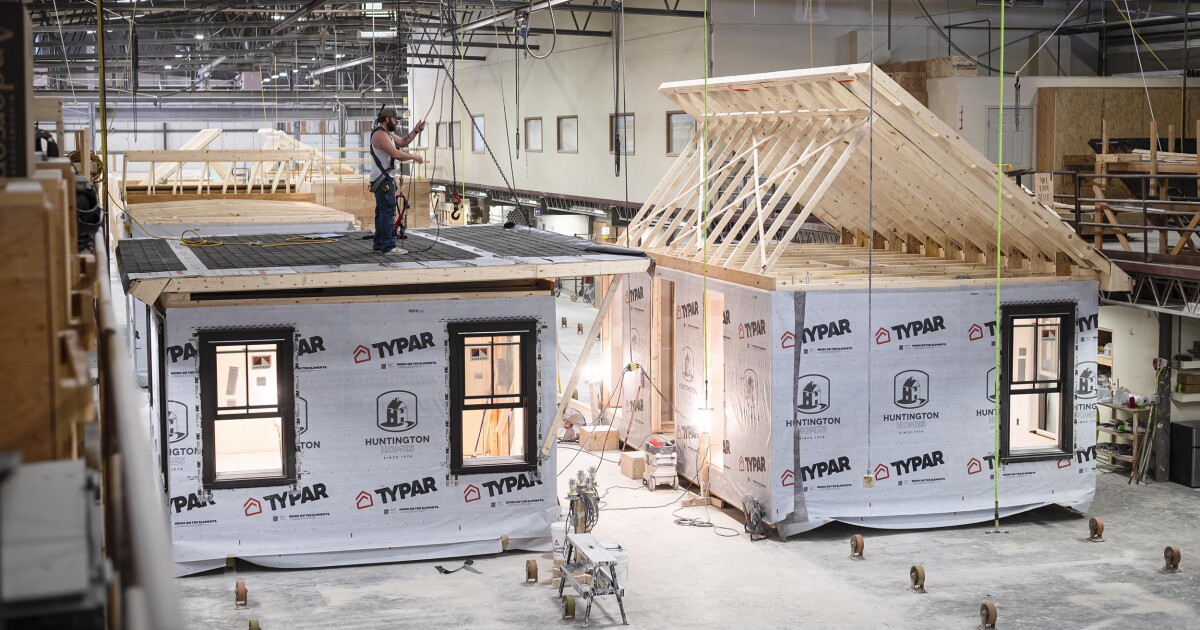
At their core, modular homes are built indoors in a climate-controlled factory using the same or better materials required by the Connecticut State Building Code.
But the advantages are substantial:
1. Faster Build Times
A traditional home in Connecticut takes 9–14 months.
A modular home can be completed in 3–6 months, including foundation and finish work.
Indoor construction eliminates weather delays, labor shortages, and seasonal slowdowns—critical advantages in a state with long winters and wet springs.
2. Better Quality Control
Modular homes are inspected at every step of the process and built with tighter tolerances than site-built homes.
Because each module must survive transportation, they’re generally stronger and more rigid than comparable stick-built structures.
3. Lower Total Cost
Modular construction reduces:
- Labor waste
- Unexpected delays
- Weather damage
- Change-order chaos
In 2025, the average modular home in Connecticut ranges from $130–$200 per sq. ft., depending on customizations, finishes, and site requirements.
4. Energy Efficiency Built In
Connecticut residents care deeply about heating and cooling costs. Modular homes routinely include:
- Superior insulation packages
- Air sealing and blower-door tested envelopes
- Heat pumps or mini-split systems
- Energy-efficient windows
- Solar-ready design
Many BIOS Homes clients target zero-energy or near-passive performance.
5. Fully Customizable
Gone are the days of cookie-cutter layouts. Today’s modular floor plans include:
- Colonials
- Capes
- Ranches
- Multi-family buildings
- Modern farmhouse
- Contemporary designs
- Accessory dwelling units (ADUs)
You can modify or fully customize any model.
How Much Do Connecticut Modular Homes Cost in 2025?


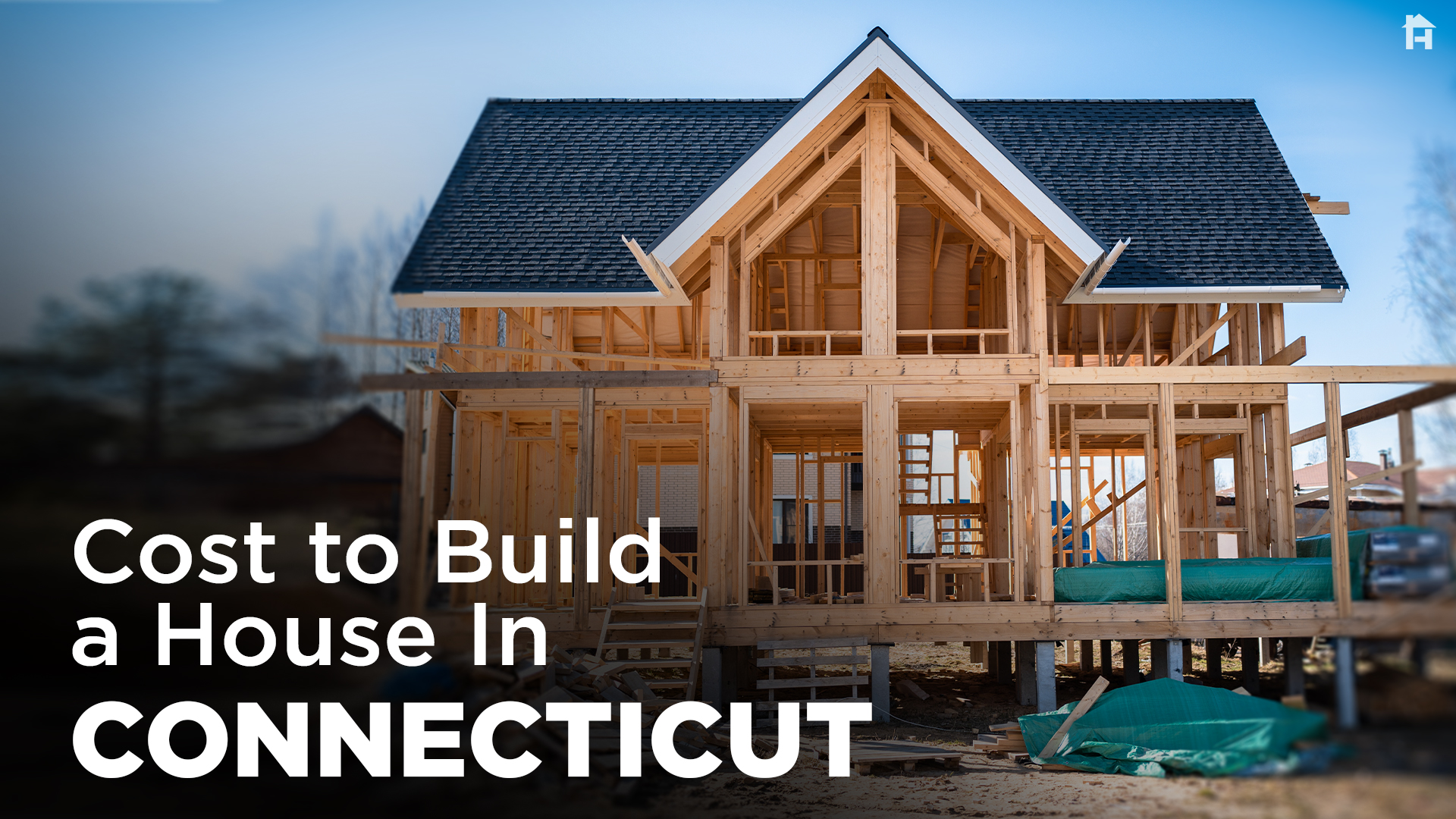
While every project is unique, here’s a useful starting point for budgeting:
Base Modular Home Cost (factory)
-
$130–$200 per sq. ft. depending on layout and finishes
Typical Connecticut Site Work Costs
- Land: Varies widely by town
- Foundation: $35–$50 per sq. ft. (basement or slab)
- Well: $12,000–$19,000
- Septic: $15,000–$35,000
- Driveway: $8,000–$20,000+
- Land clearing & grading: $5,000–$30,000
- Utility connections: $5,000–$25,000
For a typical turnkey project:
A 1,600–2,000 sq. ft. modular home on 1 acre usually lands between $350,000 and $550,000.
Compared to traditional construction—which often exceeds $600,000 in many Connecticut towns—modular is the most predictable and cost-efficient path to homeownership.
Why Connecticut Is Ideal for Modular Construction
Connecticut communities increasingly support modular homes for three powerful reasons:
1. They Preserve Rural Character
Modular construction reduces land disturbance and fits beautifully in natural landscapes. Connecticut towns like Franklin, Barkhamsted, Litchfield, and Washington value homes that blend with forests, hills, and water features.
2. They Speed Up Housing Delivery
Town planners appreciate modular because it reduces noise, heavy equipment use, and construction traffic. A faster build means fewer disruptions and happier neighbors.
3. They Support Connecticut’s Push Toward Sustainability
Between energy incentives, heat pump rebates, and environmental goals, modular homes align with Connecticut’s long-term sustainability agenda.
How the Modular Home Process Works
Step 1: Land Selection or Evaluation
If you already own land, BIOS Homes performs:
- Zoning review
- Topography assessment
- Septic/well evaluation
- Driveway feasibility
- Environmental or wetland review
If you don’t own land, we help you find the perfect parcel using Connecticut Real Estate Brokerage LLC’s statewide reach.
Step 2: Choosing or Customizing a Floor Plan
You can:
- Start with a model
- Modify layouts
- Bring your own architect
- Adapt for basement, walkout, or crawl space
Every plan is optimized for:
- Natural light
- Energy efficiency
- Traffic flow
- Aging in place (optional)
Step 3: Pricing & Turnkey Estimate
You receive a detailed breakdown of:
- Modular factory cost
- Site work
- Foundation
- Delivery & crane set
- Mechanical systems
- Total project estimate
Our goal is total clarity—no surprises, no hidden fees.
Step 4: Engineering, Permits & Production
Once plans are approved:
- Factory engineering begins
- Permit packages are created
- Modules enter production
- Construction is protected from rain, snow, and humidity
Step 5: On-Site Foundation & Utilities
While your home is being built in the factory, the site work continues. This parallel process is one of the main time-saving advantages.
Step 6: Delivery & Crane Set
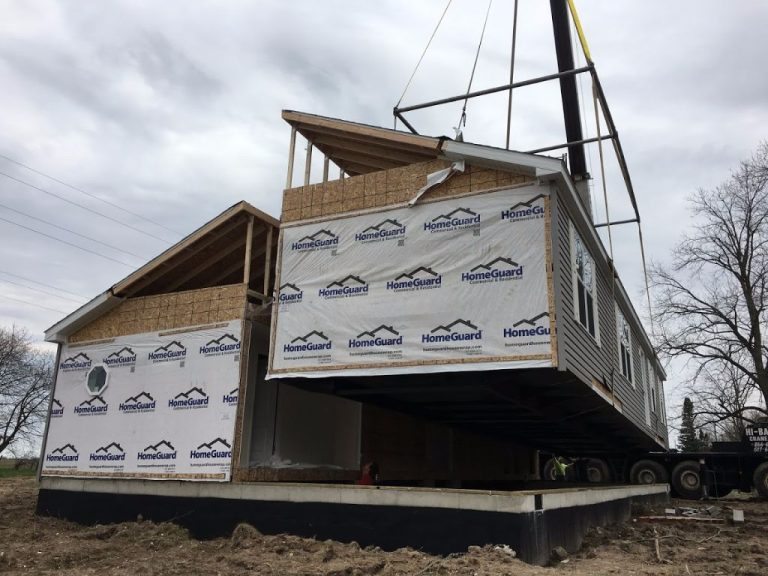
This is the exciting part—your home arrives in sections and is set on the foundation in one day.
People often describe it as magic.
Step 7: Finishing Touches
Inside the home:
- Flooring
- Trim
- Tile
- Fixtures
- Paint
Outside the home:
- Steps/porches
- Decks
- Siding
- Final grading
After a final inspection, your home receives a Certificate of Occupancy and you’re ready to move in.
What Types of Modular Homes Are Popular in Connecticut?
1. Ranch Modular Homes
Perfect for aging in place or single-level living. These are extremely popular in Litchfield County, New London County, and shoreline towns.
2. Cape Cod Modular Homes
Flexible upstairs layout—ideal for families who want future expansion.
3. Colonial Modular Homes
Connecticut’s #1 choice for traditional neighborhoods and subdivisions.
4. Modern Modular Homes
Clean lines, open concept, large windows—popular with buyers seeking a contemporary look.
5. Multi-Family Modular
Duplexes, triplexes, and even 105-unit buildings (like BIOS Village in Franklin) can be modular.
6. ADUs & Tiny Modular Homes
Growing fast due to:
- Aging parents
- Rental income
- Lower maintenance
- Affordable housing needs
Are Modular Homes Allowed in Every Connecticut Town?
Yes—modular homes are treated the same as any other home under the State Building Code.
Zoning concerns usually relate to:
- Minimum house size
- Height
- Lot coverage
- Setback requirements
- Wetlands rules
Modular is compliant everywhere, as long as your plan meets local zoning.
If you’re unsure, BIOS Homes provides a free zoning review.
Connecticut Modular Homes and Resale Value
A well-built modular home holds or exceeds the resale value of comparable site-built homes.
Reasons include:
- Better energy performance
- Modern mechanical systems
- Improved durability
- Higher interest from buyers seeking efficiency
Appraisers treat modular identically to stick-built.
Why Buyers Are Choosing BIOS Homes

Buyers come to BIOS because we don’t just sell modular homes—we simplify the entire journey.
1. One Company. All 12 Divisions Working Together.
We combine:
- Real estate
- Land acquisition
- Construction
- Design
- Lending
- Energy
- Hemp-bamboo materials
- Technology
- Factory relationships
You get one point of contact—and a streamlined process from start to finish.
2. Connecticut-Based Experts
We understand Connecticut zoning, wetlands, septic rules, and energy-efficiency requirements better than anyone. That means fewer surprises, lower costs, and faster approvals.
3. Transparency and Education
We’re known for making complex topics simple. You’ll receive digestible cost breakdowns, timelines, and options—never pressure.
4. Sustainable Homes Built for the Future
Every BIOS modular home is:
- Solar-ready
- Heat-pump compatible
- Highly insulated
- Designed for long-term savings
5. Commitment to Affordability
The BIOS mission centers on sustainable, affordable housing. Whether building a luxury home or a modest ADU, we treat your project with the same care and attention.
How to Get Started
If you’re considering building a modular home in Connecticut, BIOS Homes makes the process simple.
Step 1 — Schedule a 15-Minute Discovery Call
We review your goals, timeline, budget, and whether modular is a good fit.
Step 2 — Land or Property Evaluation
If you have land, we review it. If you need land, we help you find it.
Step 3 — Choose Your Model or Start Designing
We walk you through floor plans, pricing, finishes, and next steps.
Conclusion: The Future of Connecticut Housing Is Modular
In a state where housing demand is high, construction costs are rising, and sustainability matters more than ever, modular homes are the clear solution.
They’re smarter.
They’re faster.
They’re more affordable.
And they deliver superior quality, every single time.
If you’re exploring Connecticut modular homes, BIOS Homes is ready to help you build the home you deserve—with clarity, confidence, and purpose.