Advantages of Congregate Living in Rural Connecticut
Congregate living, sometimes referred to as assisted or communal living, has increasingly become an appealing option for seniors, individuals with disabilities, and those seeking supportive housing in rural areas. In Connecticut, particularly in rural communities where populations are more dispersed and services can be limited, congregate living offers unique benefits that enhance quality of life, foster social engagement, and provide practical support for residents.
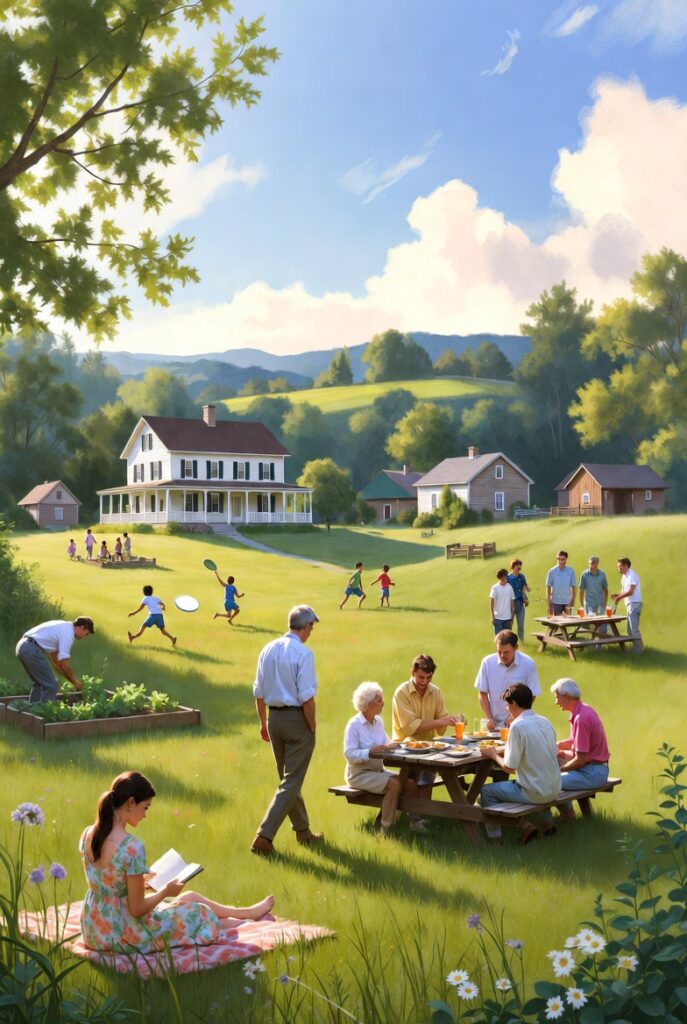
One of the most significant advantages of congregate living in rural Connecticut is the sense of community it fosters. In smaller towns and villages, social isolation can be a serious concern, especially for seniors whose family members may live far away. Congregate living arrangements bring residents together in shared spaces such as dining halls, recreation areas, and common lounges. These communal areas encourage interaction, friendship, and shared activities, which not only reduce feelings of loneliness but also promote mental and emotional well-being. Residents often form lasting bonds, participating in group events such as fitness classes, arts and crafts, gardening, or local excursions, creating a supportive and engaging environment.
Safety and security are also major benefits of congregate living, particularly in rural settings where emergency response times can be longer. Many congregate living communities in Connecticut are designed with safety in mind, offering features such as emergency call systems, on-site staff, and accessible living spaces. Residents can enjoy the peace of mind that comes from knowing help is readily available if needed, reducing anxiety about living alone. Additionally, shared living arrangements often provide a level of supervision and oversight that allows seniors to maintain independence while receiving appropriate support.
Accessibility to healthcare and essential services is another notable advantage. Rural areas often face challenges such as fewer nearby medical facilities and limited transportation options. Congregate living communities frequently offer on-site or nearby healthcare services, coordinated transportation to medical appointments, and access to visiting nurses or therapists. This integrated approach to care ensures that residents can maintain their health and wellness without the added stress of navigating long distances or managing complicated logistics. Furthermore, the presence of staff and caregivers can provide timely interventions and preventive care, reducing hospitalizations and promoting overall health.
Financial considerations also play a role in the appeal of congregate living in rural Connecticut. Shared housing arrangements can be more cost-effective than maintaining a private home independently, as residents benefit from economies of scale in services, utilities, and maintenance. Many congregate living communities include meals, housekeeping, and laundry services in their fees, allowing residents to simplify their daily routines and reduce household responsibilities. This model not only eases financial burdens but also frees residents to focus on social, recreational, and personal interests.
Another advantage lies in the opportunity for engagement with the surrounding rural environment. Connecticut’s rural communities offer scenic landscapes, recreational trails, and cultural activities that can enrich residents’ lives. Congregate living communities often organize outings, nature walks, and volunteer opportunities that allow residents to stay active, involved, and connected to the broader community. These activities promote physical fitness, mental stimulation, and a sense of purpose, which are all critical components of healthy aging.
Lastly, congregate living can provide peace of mind for families. Loved ones can feel confident knowing that their relatives are in a supportive environment, with access to social, medical, and emergency resources. This reassurance reduces stress for family members while allowing residents to maintain their autonomy and dignity.
In conclusion, congregate living in rural Connecticut offers a range of advantages that combine social engagement, safety, healthcare access, cost efficiency, and connection to the natural and cultural environment. For seniors, individuals with disabilities, and those seeking supportive housing, these communities provide a vibrant, secure, and enriching alternative to living alone, helping residents thrive in a comfortable and connected setting. By embracing the benefits of communal living, rural Connecticut continues to offer innovative solutions for a population that values both independence and community.
A Conceptual Framework for Rural Connecticut
An Exploration of Density, Preservation, and Affordability in Bi-Town Settings
Community Living/Dining Site Plan Sample Landscape Plan
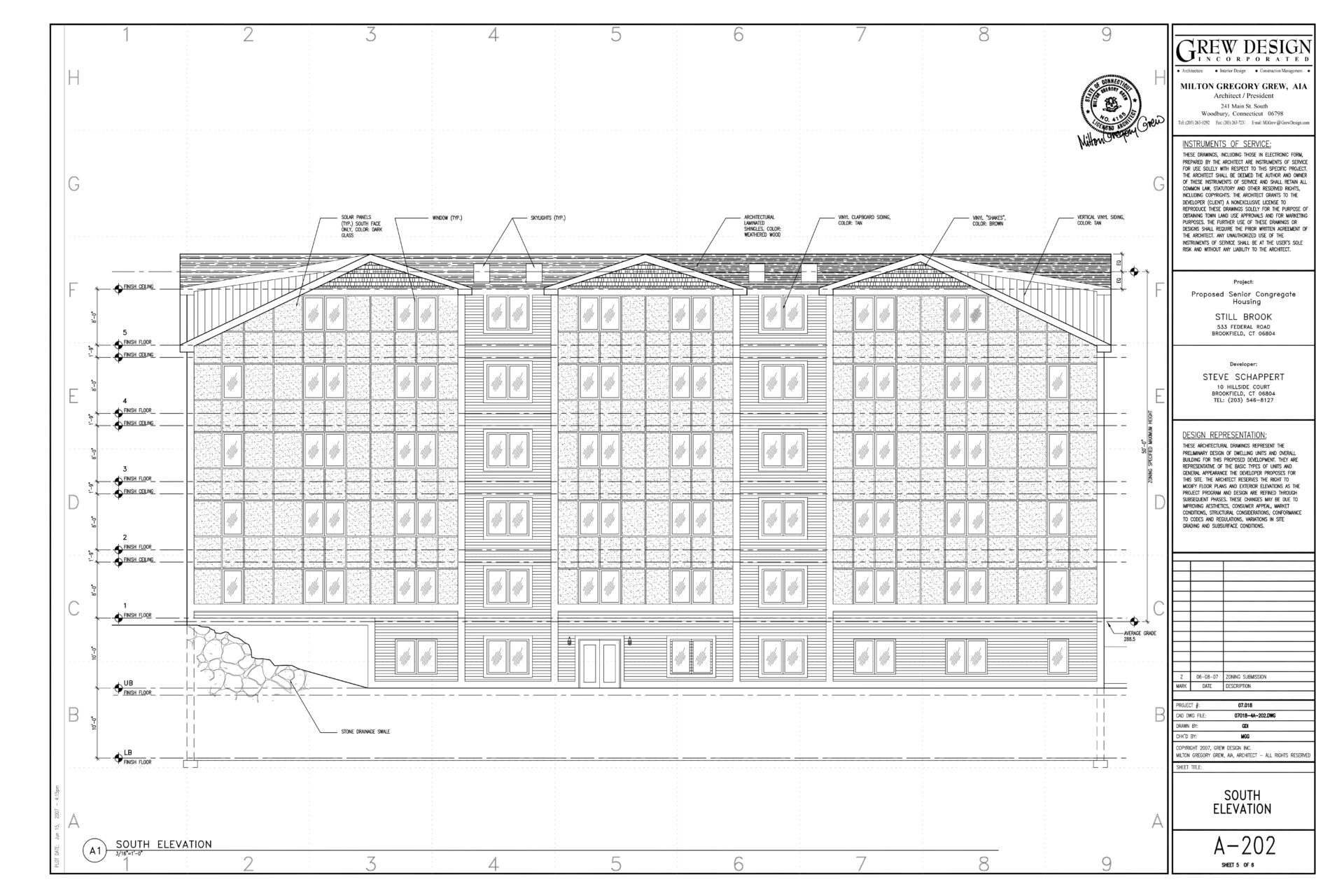
Front Elevation Rear Elevation Basement Plan
Need for Congregate Living Facilities in Barkhamsted, CT
Purpose of This Document
This conceptual page presents congregate living as a land-use strategy that:
- Maximizes buildable yield on a limited footprint
- Preserves 85–90 % of total acreage as permanent forest or open space
- Leverages Connecticut’s IH and 8-30g statutes to achieve affordability and regulatory certainty
No specific property, developer, or timeline is referenced. The model is designed for rural, bi-town parcels with wetlands, steep slopes, and low-density zoning—common in Litchfield County.
Core Concept: The 10/90 Rule
| Component | Allocation | Rationale |
|---|---|---|
| 10 % Build Zone | 9–11 acres | Concentrated on upland, non-wetland soils (800–1,000 ft elevation) |
| 90 % Preserved | 84–86 acres | Retained as PA-490 forest land, conservation easement, or town-dedicated open space |
Result: High-density housing with minimal environmental impact and maximum tax efficiency
What Is Congregate Living?
A cluster of small, efficient dwellings (250–400 SF) organized around shared amenities and walkable pathways.
| Element | Function |
|---|---|
| Micro-Units | Private sleeping, bath, kitchenette |
| Central Hall | Shared kitchen, dining, lounge, laundry |
| Green Core | Food forest, pollinator meadow, gathering space |
| Path Network | Gravel or permeable pavers; ADA-compliant |
Regulatory Alignment
| Statute / Reg | How It Applies | Outcome |
|---|---|---|
| Proposed IH District (§8-13m–x) | ≥20 % affordable → density bonus (15–22 units/acre) | Enables 75–150 units on 10 acres |
| C.G.S. § 8-30g | <10 % town affordable stock → appeal override | Burden shifts to town |
| PA-490 Forest Land | 85+ acres remain classified | ~$200/year tax on preserved land |
| Inland Wetlands | 100-ft regulated buffer (Little Brook, Morgan Brook) | Build zone outside purple GIS zones |
| Subdivision Regs | Conservation subdivision allowed | Cluster + open space dedication |
Site Suitability Criteria (Conceptual)
| Criterion | Ideal Condition |
|---|---|
| Total Parcel | 90–100 acres, split across two towns |
| Buildable Uplands | 9–11 contiguous acres, <15 % slope |
| Wetlands | Concentrated in one town; buffered |
| Access | Existing ROW or easement (e.g., sign pull-off) |
| Zoning | R-2 / R-3 base; IH overlay eligible |
Development Phasing (Conceptual)
| Phase | Action | Timeline |
|---|---|---|
| 1. Pre-Application | IH overlay + 8-30g letter to P&Z | 30 days |
| 2. Wetlands Delineation | Confirm buildable 10 acres | 60 days |
| 3. Conceptual Site Plan | Cluster layout, septic field, paths | 45 days |
| 4. Modular Procurement | Broker 75–150 units ($50K avg) | 90 days |
| 5. Assembly | 6–8 weeks on-site | Q1 2026 |
Financial Structure (Illustrative)
| Line Item | Estimate |
|---|---|
| Land Cost | $900K (95 acres) |
| PA-490 Rollback | $12K (10 acres) |
| Build Cost | $3.75M–$7.5M (modular) |
| Grants | $1.6M+ (ARPA, DOH, private) |
| Net Developer Cost | ~$0 (grant-stacked) |
Environmental & Social Benefits
| Benefit | Mechanism |
|---|---|
| 90 % Forest Preserved | PA-490 + easement |
| Zero Discharge | Aerobic septic + constructed wetland |
| Carbon Sink | 85 acres mature forest |
| Affordability | 100 % units ≤80 % AMI |
| Aging in Place | One-level, walkable, communal support |
Visual Concept (Placeholder)
[Insert schematic:
- 10-acre oval (build zone)
- Purple wetlands (preserved)
- Green pathways
- Central hall icon
- Micro-unit clusters]
Next Steps (Conceptual Path)
- Adopt IH Overlay — File with P&Z
- Secure Conservation Easement — On 85 acres
- Stack Funding — DOH, ARPA, nonprofit partners
- Broker Modular Packages — Factory-direct, net-zero
Congregate living is not density—it’s stewardship. One small footprint. One large legacy.